9/12/2025
How the world builds apps: stereotypes, data, and our experience at Rocksoft
Disclaimer
The article looks at how different work habits shape the way apps get built.
Each country has its own rhythm - from Norway’s calm pace to the U.S. rush or German precision.
In the end, everyone’s after the same thing: a product they can be proud of.

Are all the stereotypes you've heard true?
Are Germans truly always pedantic?
Do Americans only think about scaling up?
Do Scandinavians really focus on peace and steadiness?
We have worked with many countries across the globe, and we thought it would be interesting to look at how the app-building process differs from country to country.
For this article, we gathered information in three areas:
- Common stereotypes
- What the numbers say
- Our own experience - based on countries we’ve actually worked with, so we can speak from practice.
Just before we start - no hard feelings! I mostly just want this article to be a fun way to explore how different countries are viewed by the outside world and to get a few laughs out of it.
So - let's see if the stereotypes you've heard are true...
Norway

Stereotype
Norway is associated with practical and steady decision-making in software development. There’s a strong focus on local needs, the environment, and high quality supported by solid education. Everything takes its time - deadlines or quick replies aren’t pushed as much as, for example, in Germany. Things tend to move in a calm rhythm.
Data
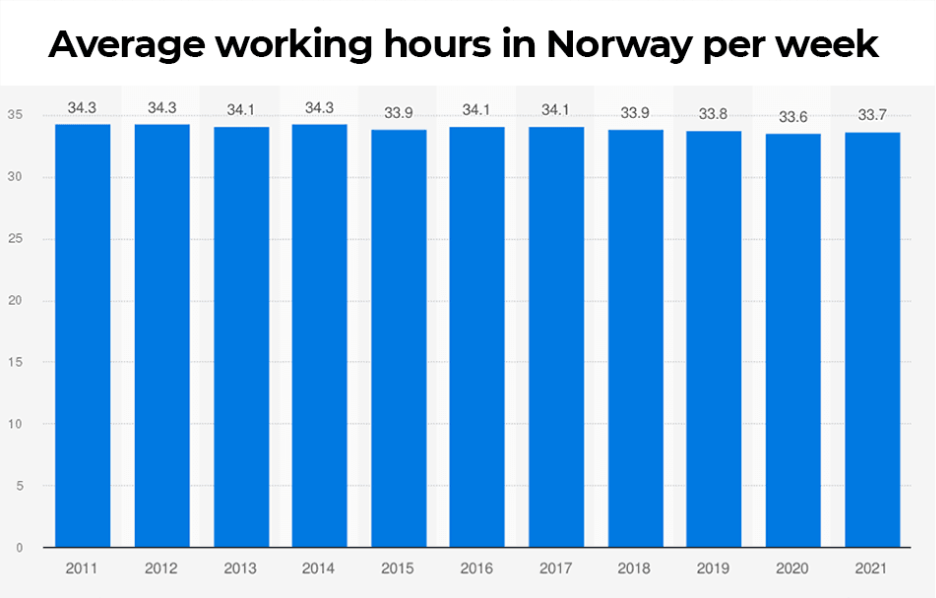
Although some countries offer the option for workers to opt out of the maximum working hours rule, Norway does not. Norway's overtime regulations are strict, and employees are allowed to work no more than 200 overtime hours per year. By law, overtime work must be compensated by at least 140% of the employee’s normal rate.
Our experience at Rocksoft
Norway is a market we’ve been on the longest – since 2013. Our impression is that Norwegians don’t like to be overly formal or meticulous.
Norwegians like to use Scandinavian software as a go-to solution.
It should be mentioned here that there is one month when almost everything stops completely – July. It's a national vacation month, when it’s a cultural tradition to dedicate this time to rest, so people put their work aside.
Netherlands
Stereotype
The Netherlands is known for very open and direct communication at work. Planning and organization are strong. Teams have little hierarchy, and decisions are made together.
Data
The Netherlands is the best English-speaking non-Anglophone country, which is solid proof of why communication there is so open and direct, with no language barriers.
Our experience at Rocksoft
We have to admit it - Dutch clients speak English so well they could switch their official language and hardly anyone would notice. The communication barrier is truly nonexistent, which is why you always know exactly where you stand and what's going wrong. They aren't just good at planning; they can plan your next six project phases and their next three coffee breaks before you've finished your first cup.
The open communication absolutely helps them make decisions quickly and move forward without unnecessary delays.
Germany

Stereotype
Projects are run in a formal way with a strong focus on documentation, planning, and compliance with standards. Changes are examined carefully, and decisions are made methodically, without rush – because a rush would lead to chaos – and that’s something Germans don’t like. Both traditional and agile methods are used, but with a preference for full control.
Data
Germany's high Uncertainty Avoidance score of 65 explains why Germans need detailed documentation and planning - they don't like surprises in projects.
Our experience at Rocksoft
Not all Germans are that bureaucratic, but the ones we’ve worked with certainly have a PhD in perfectly structured email communication (subject line, bullet points and NO emojis). There’s not much room for small talk at meetings; they want the facts, the action points, and the precise time the meeting ends - and showing up one minute late is simply not an option. That’s something we at Rocksoft certainly like and admire (and sometimes fear ;)).
Sweden

Stereotype
Projects are handled with attention to quality and a healthy work–life balance. Agile is the default approach. Testing and ongoing evaluation are important, and the attitude toward risk is reasonable and based on data. Sweden is also very innovative.
Data
Stockholm has the second-highest number of tech unicorns per capita in the world, right after Silicon Valley, and this small country has produced Spotify, Klarna, Skype, King (Candy Crush), and Minecraft (Mojang) - proving that world-class innovation can, in fact, coexist with mandatory coffee breaks.
Our experience at Rocksoft
Our Swedish partners are certainly innovative and always up-to-date with tech (and we, as their technological partner, definitely like that a lot!). It’s amazing how much world-class work they manage to fit in between their fika breaks and the 4 PM finish line.
USA

Stereotype
Projects move quickly and flexibly, with a strong focus on fast delivery and solutions that can scale. Decisions are often influenced by “gut feeling.” Clients expect proactivity and quick reactions to change. Agile and continuous integration are widely favored. Formal steps exist, but only where they don’t slow things down.
Data
The US accounts for about half of global Venture Capital, which fuels a "fail fast" culture where scalability beats perfection.
Our experience at Rocksoft
We work with a few companies in the US. Some are decisive and want everything done yesterday. Others take their time because project priorities tend to shift whenever the person with the strongest “gut feeling” speaks up.
Being proactive helps us keep things moving - it always does! But overall, the cultural differences between Europe and the US are pretty small.
UAE
Stereotype
Projects often come with very aggressive schedules and require fast adaptation. Clients are decisive and focused on quick results.
Data
The UAE ranks #12 globally in "Future Readiness" and was the first country to appoint an AI Minister in 2017, reflecting a business culture focused on being "first in the world" where clients expect tomorrow's technology, not yesterday's.
Our experience at Rocksoft
The stereotype isn’t the same as our experience. That’s probably more related to what kind of business you build. Our partners from the UAE prefer stable solutions that will work for them in the years to come.
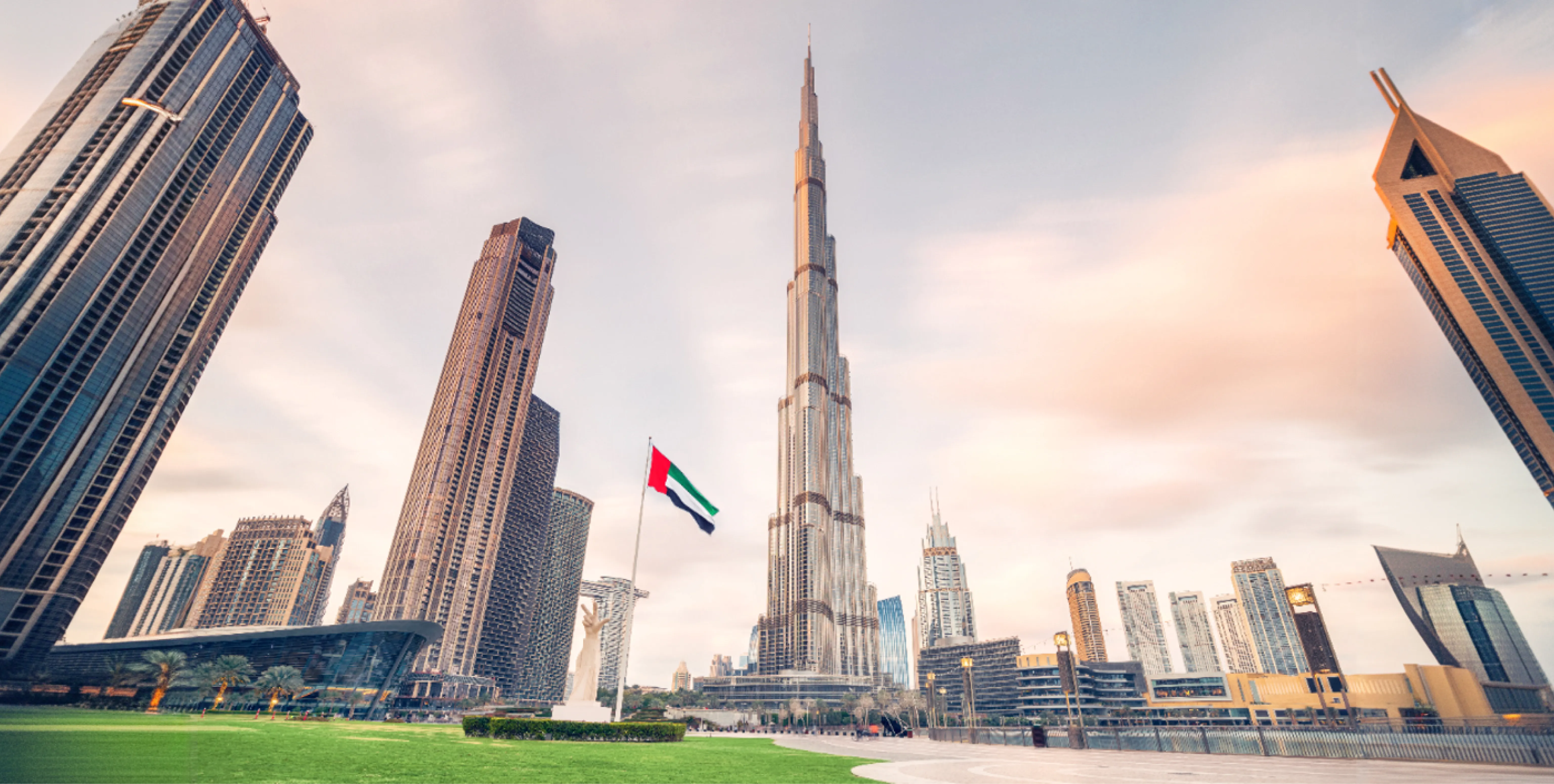
They need solutions that last, not solutions that launch next Tuesday. When you are building a skyscraper, structural integrity is more important than speed - and in the UAE, they definitely know how to build those :)
UK

Stereotype
Projects are strongly formalized, with a focus on governance and compliance with standards. Communication is professional and team-oriented, with strong involvement from stakeholders.
Data
The UK attracts more FinTech investment than any other European country (often more than Germany and France combined), and its tech sector became the third in the world (after the US and China) to reach a $1 trillion valuation. This explains why compliance is a religion there—if you're building an app in the UK, there's a good chance it will deal with money.
Our experience at Rocksoft
Our partners from the UK are mainly from the real estate/proptech sector. The part about regulations and compliance is absolutely true in our case. British business owners are not that trusting of the American Big Tech approach - they often assume that if an American tech company can find a shortcut to do something, they will.
Poland
Stereotype
Hardworking, resourceful, and resilient. Poles are known for "kombinowanie” (the art of finding non-obvious, often unconventional solutions to problems). The work culture is ambitious; people want to catch up with the West quickly. While complaining is a national pastime, it rarely impacts the high volume of work delivered.
Data
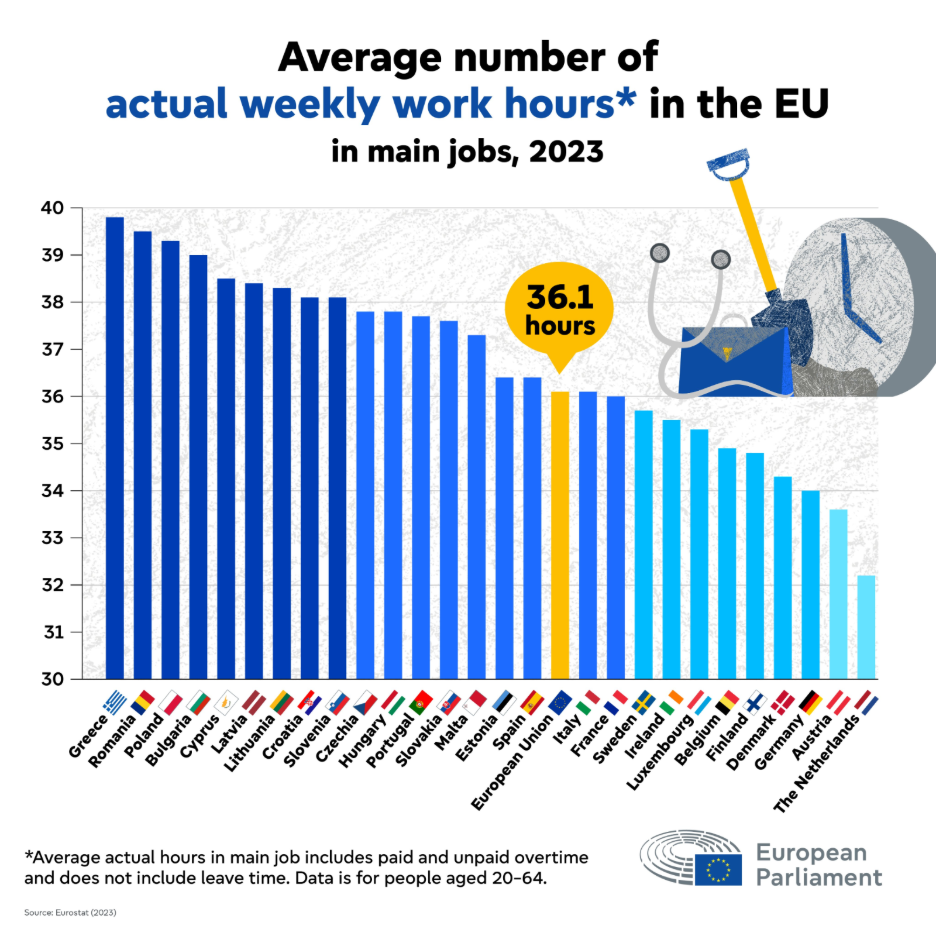
OECD data consistently places Poland among the hardest-working nations in Europe. The average Pole works around 1,800+ hours per year. This confirms the stereotype of a workforce that is dedicated and willing to put in the effort to succeed.
Our experience at Rocksoft
Being a company with Polish roots, we try to be hardworking, resourceful, and resilient - and yes, we are masters of kombinowanie when the situation demands it, which can turn a bureaucratic "No" into "Maybe".
Our Polish clients want to see real value in what they get – if they can handle it themselves (and they probably already tried), they will. But if they decide to delegate, they want to be sure they’re getting real results for the price they’re paying.
Summary
So, what have we learned? Mostly that every country is wonderfully weird in its own way (and yes, we were exaggerating a bit for effect ;))
But there’s one thing that unites us all – in the end, we want a product we’re happy with.
That’s exactly what we focus on at Rocksoft. The journey may look different for each of us, but the goal is always the same – to reach the top, where you can look back and say, 'Yes, it was worth it.'
Check out the journey to the top of a Rocksoft client in our animated video – 'The Climb.'


.svg)
SEO enthusiast with an interest in all its nuances, Oliwer is also interested in learning about various topics. Privately, he loves to play all types of sports and likes reading.



.jpeg)